


In an era where personal security concerns are increasingly prevalent, the demand for enhanced protection measures has surged. For high-net-worth individuals, executives, diplomats, security professionals, and even families in volatile regions, civilian armored vehicles offer a critical layer of defense against a spectrum of threats. These are not the conspicuous, military-grade behemoths often imagined, but rather sophisticated, often discreetly fortified vehicles designed to blend seamlessly into everyday life while providing life-saving protection. This comprehensive guide serves as your product catalog, exploring the diverse world of civilian armored vehicles, their applications, the technology behind them, and key considerations for making an informed choice.
Whether you’re a civilian fleet manager tasked with safeguarding personnel, a military or security professional evaluating transport options, or a vehicle enthusiast intrigued by advanced automotive engineering, understanding the nuances of armored transportation is paramount. Join us as we delve into this specialized automotive sector, providing clarity and insight into securing peace of mind on the move.
Why Invest in Civilian Armored Vehicles? The Imperative of Protection
The decision to invest in civilian armored vehicles stems from a fundamental need: the assurance of safety in an unpredictable world. While motivations vary, the core benefit remains consistent – robust protection for occupants and assets.
– Personal Safety and Security: For individuals facing credible threats due to their profession, status, or location, an armored vehicle can be the difference between a close call and a tragedy. These vehicles are engineered to withstand ballistic attacks, shrapnel from explosions, and forced entry attempts, creating a secure cocoon for passengers.
– Asset Protection: Beyond personal safety, certain civilian armored vehicles are designed for the secure transport of valuable goods. This is particularly relevant for businesses dealing with cash-in-transit or high-value commodities, where the vehicle itself becomes a mobile vault.
– Peace of Mind in Volatile Environments: Operating or residing in regions with high crime rates, civil unrest, or terrorism risks necessitates proactive security. An armored car provides a sense of security, allowing individuals and organizations to conduct their affairs with reduced anxiety.
– Executive and VIP Transport: High-profile individuals, including corporate executives, government officials, and celebrities, often require discreet yet effective protection. Armored sedans and SUVs offer a blend of luxury, comfort, and ballistic integrity, ensuring safe passage without drawing undue attention.
– Family Protection: For families living in or traveling through high-risk areas, the security of loved ones is paramount. Armored SUVs, offering space and robust protection, are increasingly sought after by security-conscious parents.
Investing in a civilian armored vehicle is not merely a purchase; it’s an investment in proactive risk management and a commitment to prioritizing safety above all else.
Understanding Armoring Levels and Standards: Deciphering the Defense
Not all civilian armored vehicles are created equal. The level of protection offered is defined by internationally recognized standards, which certify a vehicle’s ability to withstand specific types_of ammunition and explosive threats. Understanding these standards is crucial for selecting a vehicle that matches your anticipated threat level.
The most common standards referenced in the armoring industry include:
– CEN (Comité Européen de Normalisation): This European standard is widely adopted globally. The levels range from BR1/FB1 (lowest, .22LR) to BR7/FB7 (highest, high-powered armor-piercing rifle rounds). For example:
– CEN BR4 / FB4: Protects against handgun rounds like .357 Magnum and .44 Magnum.
– CEN BR6 / FB6: Withstands high-powered rifle rounds such as 7.62x51mm NATO (used in FAL/G3 rifles). This is a very common level for high-security civilian applications.
CEN BR7 / FB7: Offers protection against armor-piercing rifle rounds (e.g., 7.62x51mm AP).
– NIJ (National Institute of Justice): This US standard is primarily used for body armor but is often referenced for vehicle armoring.
– NIJ Level IIIA: Protects against most handgun rounds, including .357 SIG and .44 Magnum.
– NIJ Level III: Protects against 7.62x51mm NATO M80 ball ammunition.
– NIJ Level IV: Protects against .30-06 M2 armor-piercing rounds.
– VPAM (Vereinigung der Prüfstellen für angriffshemmende Materialien und Konstruktionen): A German standard that is also highly regarded, with levels like VR4 up to VR10, offering very detailed testing protocols, including blast protection (ERV).
Key Considerations for Protection Levels:
– Transparent Armor (Glass): Armored glass is multi-layered, consisting of polycarbonate and leaded glass. Its thickness and composition determine its ballistic rating, which should ideally match or exceed the opaque armor’s rating.
– Opaque Armor: This involves reinforcing the vehicle’s body with materials like ballistic steel, composite aramids (Kevlar®, Twaron®), or advanced ceramics. The entire passenger cabin, including doors, roof, floor, pillars, and firewall, must be protected.
– Overlap Protection: Critical areas like door seams and window frames require specialized “overlap” systems to prevent projectile penetration through gaps.
– Blast Protection: Some vehicles offer protection against grenades (e.g., DM51) or landmines, typically specified under standards like STANAG 4569 (a NATO standard more common in military contexts but sometimes referenced for high-risk civilian use) or VPAM ERV.
Choosing the appropriate armoring level requires a thorough threat assessment. Over-armoring can lead to an unnecessarily heavy and less agile vehicle, while under-armoring provides a false sense of security.
Featured Civilian Armored Vehicles: A Curated Selection
The market for civilian armored vehicles is diverse, catering to a wide range of needs, preferences, and threat profiles. Here’s a look at common categories and what they offer:

Armored SUVs: Blending Luxury with Ballistic Protection
Armored SUVs are perhaps the most popular category of civilian armored vehicles, offering an exceptional balance of space, comfort, off-road capability (in many models), and discreet security.
– Commonly Armored Platforms: Toyota Land Cruiser, Lexus LX series, Cadillac Escalade, Chevrolet Suburban, Mercedes-Benz G-Wagon and GLS, Range Rover, BMW X5/X7.
Key Features:
– Discreet Appearance: Most armored SUVs maintain the original manufacturer’s appearance, avoiding unwanted attention.
– Spacious Interiors: Ample room for passengers, security personnel, and equipment.
– Robust Chassis: Many SUVs are built on strong ladder frames or reinforced unibodies, making them well-suited to carry the additional weight of armor.
– Versatility: Suitable for executive transport, family security, and escort duties in both urban and rural environments.
– Ideal For: Executives, diplomats, families requiring enhanced security, security teams needing a versatile platform. They are often chosen for their ability to navigate various terrains while providing substantial ballistic protection.

Armored Sedans: Discreet Security for Urban Environments
For those prioritizing discretion, luxury, and maneuverability in urban settings, armored sedans are an excellent choice. They often serve as flagship vehicles for VIPs and corporate leaders.
– Commonly Armored Platforms: Mercedes-Benz S-Class, BMW 7 Series, Audi A8, Lexus LS. Some manufacturers even offer OEM (Original Equipment Manufacturer) armored versions, known as “Guard” or “Security” models.
Key Features:
– Understated Elegance: Armored sedans typically retain their luxurious aesthetics, making them virtually indistinguishable from their unarmored counterparts.
– Comfort and Performance: Designed to provide a smooth, comfortable ride with responsive handling, even with the added weight of armor. Suspension and brake upgrades are standard.
– Advanced Technology: Often equipped with the latest automotive technology for comfort, safety, and communication.
– Ideal For: High-profile individuals, government officials, corporate C-suite executives who require top-tier protection without compromising on luxury or attracting undue attention in city environments.
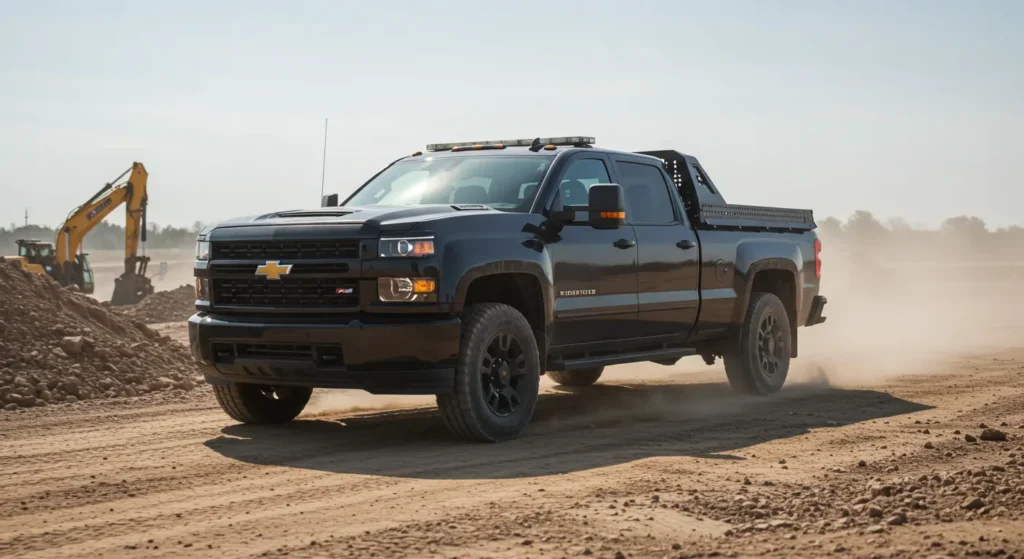
Armored Trucks & Pickups: Rugged Protection for Demanding Tasks
When utility, payload capacity, and ruggedness are as important as protection, armored trucks and pickups fill a vital niche.
– Commonly Armored Platforms: Ford F-Series (F-150, F-250, F-350), RAM Trucks (1500, 2500, 3500), Chevrolet Silverado, Toyota Hilux/Tacoma/Tundra.
Key Features:
– High Payload and Towing: The inherent strength of these platforms allows them to carry significant armor weight and still manage substantial payloads or towing tasks.
– Durability: Built for tough conditions, making them suitable for use in challenging terrains or for roles requiring robust performance.
– Versatile Applications: Can be configured for secure personnel transport, cash-in-transit (CIT), mobile command units, or secure logistics for valuable cargo.
– Ideal For: Civilian fleet managers in industries like mining or construction in high-risk areas, specialized security operations, businesses requiring secure transport of goods over rough terrain, and individuals needing a utility vehicle with ballistic protection.
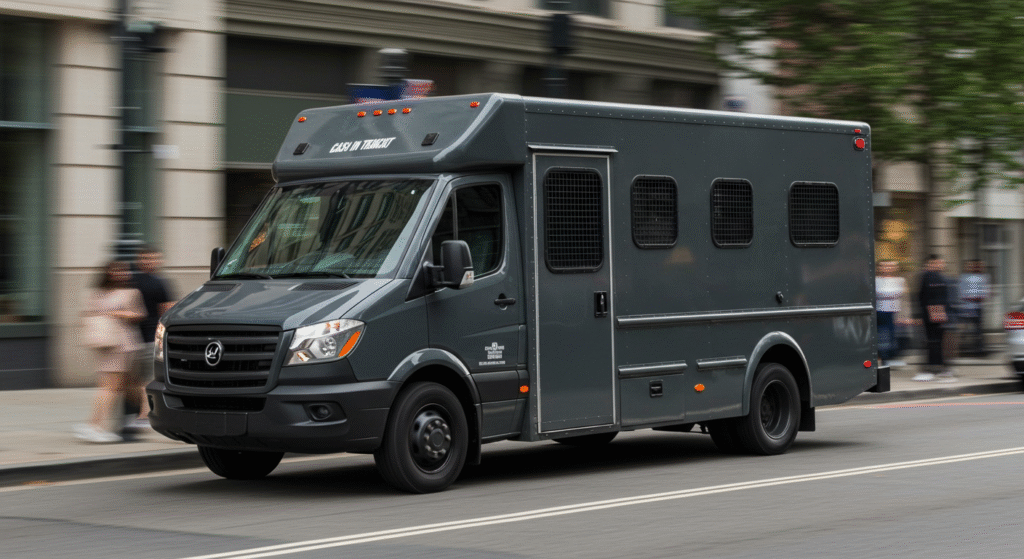
Bespoke and Specialized Civilian Armored Vehicles
Beyond standard SUVs, sedans, and trucks, the world of civilian armored vehicles includes a wide array of bespoke and specialized options tailored to unique requirements.
Examples:
– Cash-in-Transit (CIT) Vehicles: Purpose-built or heavily modified vans and trucks with advanced security features for transporting currency and valuables.
– Covert Armored Vehicles: Everyday vehicles (minivans, commercial vans) discreetly armored for surveillance or low-profile security operations.
– Custom Limousines: Extended wheelbase vehicles offering supreme luxury and comprehensive protection for VVIPs.
– Special Purpose Units: Vehicles modified for specific roles such as mobile medical units in conflict zones or secure communications vehicles.
– Key Aspect: Customization: The hallmark of this category is the ability to work with specialized armoring companies to design a vehicle that meets exact specifications, from armoring levels to interior layouts and integrated security systems (e.g., smokescreens, emergency oxygen, reinforced bumpers).
Key Considerations When Choosing Civilian Armored Vehicles
Selecting the right civilian armored vehicle is a significant decision that requires careful thought and due diligence. Here are critical factors to consider:
1. Threat Assessment:
– What specific threats are you likely to face (e.g., handguns, rifles, explosives, carjacking)?
– What is the risk level in your area of operation? This will directly influence the required armoring level (e.g., BR4, BR6, NIJ III).
2. Discretion vs. Overt Protection:
Do you need the vehicle to blend in (discreet armoring), or is a more visible deterrent acceptable or even preferred? Most civilian applications favor discretion.
3. Vehicle Base and Performance:
– Armoring adds significant weight (hundreds to thousands of kilograms). Ensure the base vehicle’s engine, suspension, brakes, and chassis are adequately upgraded by the armoring company to handle this.
– Consider handling, acceleration, braking distance, and maneuverability post-armoring.
4. Certification and Quality of Armoring:
– Seek vehicles armored by reputable companies with proven track records.
– Ask for ballistic certifications for materials used (glass and opaque armor) and ideally, whole-vehicle certifications if available (e.g., VPAM BRV).
– Inspect for quality of workmanship – ensure complete cabin protection, including overlaps, firewall, and floor.
5. Maintenance and Support:
– Armored vehicles often require specialized maintenance due to their increased weight and modified components (e.g., heavy-duty hinges, reinforced suspension).
– Ensure access to qualified service centers and availability of spare parts for both the base vehicle and armored components.
6. Legal and Regulatory Compliance:
Understand local and national laws regarding the ownership and operation of civilian armored vehicles. Some jurisdictions may have restrictions or registration requirements.
7. Budget:
Armoring significantly increases a vehicle’s cost. Determine a realistic budget that balances your security needs with financial considerations. Remember to factor in long-term maintenance.
The Future of Civilian Armored Vehicles: Innovation in Protection
The field of civilian armored vehicles is continually evolving, driven by advancements in materials science, automotive technology, and emerging threats. Key trends shaping the future include:
– Lighter, Stronger Materials: Research into advanced composites, lightweight alloys, and nano-materials aims to reduce armor weight without compromising protection, improving vehicle performance and fuel efficiency.
– Advanced Sensor Integration: Future armored vehicles will likely feature more sophisticated sensor suites for threat detection, situational awareness, and integrated countermeasure systems.
– Electric and Hybrid Armored Options: As EV technology matures, more electric and hybrid platforms will be adapted for armoring, offering silent operation and new design possibilities, though battery protection adds a unique challenge.
– Increased Demand and Accessibility: Growing global security concerns may lead to increased demand and potentially more accessible armoring solutions for a broader range of civilian clients.
– Enhanced Active Safety Systems: Integration of AI-driven active safety and even autonomous driving features adapted for security scenarios, providing proactive threat avoidance.
Conclusion: Securing Your Journey with Confidence
In a world that presents ever-changing security challenges, civilian armored vehicles stand as a vital tool for safeguarding lives and assets. From discreetly protected luxury sedans and versatile SUVs to rugged armored trucks and bespoke security solutions, the options are extensive. Making the right choice involves a clear understanding of your specific threat environment, desired level of protection, and operational requirements.By prioritizing certified quality, reputable manufacturers, and a thorough assessment of your needs, you can invest in a civilian armored vehicle that delivers not just transportation, but invaluable peace of mind. Whether for executive protection, family safety, or specialized operational duties, these fortified vehicles empower you to navigate the world with greater confidence and security. Consult with established armoring specialists and security advisors to embark on your journey toward enhanced personal protection.


