


The landscape of modern defense and security is undeniably shaped by the formidable presence of military armored vehicles. These complex machines, ranging from agile scouts to heavily armed behemoths, represent the cutting edge of battlefield technology, offering a critical balance of protection, mobility, and firepower. Understanding the diverse classifications of these armored assets is crucial not only for military and security professionals but also for civilian fleet managers overseeing specialized vehicle fleets and enthusiasts captivated by their engineering prowess. This article delves into the world of military armored vehicles, providing a comprehensive classification based on their primary roles, capabilities, and design philosophies. We’ll explore what defines these vehicles, how they are categorized, and what the future may hold for these titans of the modern era.
Understanding the Core Principles of Military Armored Vehicles
Before exploring specific classifications, it’s essential to grasp the fundamental principles that govern the design and deployment of military armored vehicles. These principles are often in a delicate balance, with designers making trade-offs based on the vehicle’s intended mission.
The “Iron Triangle”: Protection, Firepower, and Mobility
The effectiveness of any military armored vehicle is traditionally assessed based on three core attributes, often referred to as the “Iron Triangle“:
– Protection: This encompasses the vehicle’s ability to withstand enemy fire, explosions, and other battlefield hazards. Armor can range from basic ballistic steel effective against small arms and shell fragments to advanced composite materials, explosive reactive armor (ERA), and even active protection systems (APS) designed to intercept incoming projectiles. The level and type of protection directly influence the vehicle’s weight and, consequently, its mobility and cost.
– Firepower: This refers to the vehicle’s offensive capabilities. It includes the type, caliber, and range of its weaponry, such as machine guns, autocannons, main guns, anti-tank guided missiles (ATGMs), and grenade launchers. Sophisticated fire control systems, optics, and sensors are integral to delivering accurate and effective fire.
– Mobility: This attribute defines how effectively a vehicle can move across various terrains, its speed, operational range, and agility. Mobility is influenced by factors like engine power, suspension type (tracked or wheeled), weight, and ground pressure. Strategic mobility (ability to be transported to a theater of operations) and tactical mobility (maneuverability on the battlefield) are both key considerations.
Evolving Threats and Armor Technology
The development of military armored vehicles is a continuous cat-and-mouse game between offensive capabilities and defensive technologies. The proliferation of potent anti-tank weapons, improvised explosive devices (IEDs), and sophisticated guided munitions constantly pushes engineers to develop stronger, lighter, and smarter armor solutions. This evolution has led to significant advancements, from basic steel plates to complex multi-layered composite armors, reactive armor that detonates outwards to counter incoming shaped charges, and active protection systems that can detect and neutralize threats before impact.
A Comprehensive Classification of Military Armored Vehicles
Military armored vehicles are best classified by their primary battlefield roles and inherent capabilities. While some vehicles may blur the lines or perform multiple functions, the following categories represent the major types encountered in modern armed forces.
1. Main Battle Tanks (MBTs)
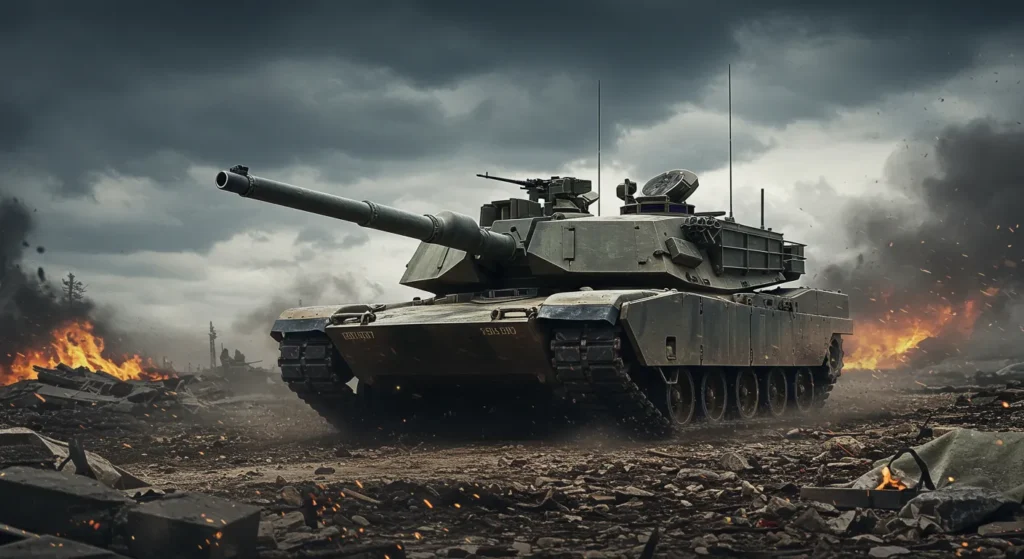
Main Battle Tanks are the undisputed kings of direct-fire ground combat. They are designed to spearhead offensives, destroy enemy armor, and break through fortified positions.
– Primary Role: Anti-tank warfare, direct fire support, offensive shock action.
– Key Characteristics:
- Heavy Armor: Possessing the thickest and most advanced armor among ground combat vehicles for maximum survivability.
- Powerful Main Gun: Typically a large-caliber smoothbore or rifled gun (105mm to 125mm+) capable of firing a variety of ammunition types (APFSDS, HEAT, HE-Frag).
- Tracked Mobility: Optimized for traversing rough terrain and maintaining mobility despite their considerable weight.
- Advanced Fire Control Systems: Sophisticated sensors, thermal imagers, and computerized systems for high first-round hit probability, even on the move.
– Examples: M1 Abrams (USA), Leopard 2 (Germany), T-90/T-14 Armata (Russia), Challenger 2 (UK).

2. Infantry Fighting Vehicles (IFVs)
IFVs are designed to transport infantry squads into combat and provide direct fire support once they dismount. They offer a significant step up in firepower and protection compared to older Armored Personnel Carriers.
– Primary Role: Transporting infantry under armor, providing suppressive and anti-armor fire in support of dismounted troops.
– Key Characteristics:
- Moderate Armor: Protection against small arms, shell splinters, and often autocannon fire. Some feature advanced modular armor.
- Autocannon & Missiles: Typically armed with a 20-40mm autocannon effective against light vehicles and infantry, and often equipped with Anti-Tank Guided Missiles (ATGMs) for engaging heavier targets.
- Troop Carrying Capacity: Can usually carry 6-8 infantry soldiers in addition to the crew.
- Mobility: Can be tracked or wheeled, offering a balance between off-road capability and strategic mobility.
– Distinction from APCs: IFVs are designed to *fight alongside* infantry, whereas APCs are primarily “battle taxis” to *deliver* infantry.
– Examples: M2/M3 Bradley (USA), Puma (Germany), BMP series (Russia), CV90 (Sweden).
3. Armored Personnel Carriers (APCs)
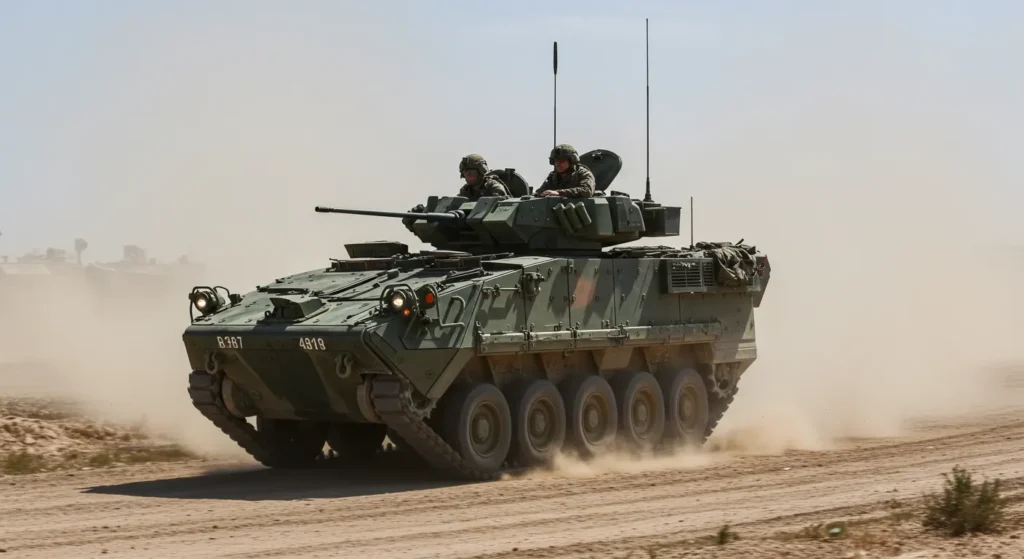
APCs are primarily tasked with transporting infantry and other personnel safely to the front lines or across hazardous areas. They generally have lighter armor and armament compared to IFVs.
– Primary Role: Protected troop transport.
– Key Characteristics:
- Lighter Armor: Typically provides protection against small arms fire and artillery shell fragments.
- Basic Armament: Usually a heavy machine gun (e.g., .50 caliber) or an automatic grenade launcher for self-defense.
- High Troop Capacity: Often designed to carry a larger number of troops (8-12+) compared to IFVs.
- Mobility: Can be tracked or wheeled. Wheeled APCs often offer better road speed and range, suitable for peacekeeping or rapid deployment roles.
– Examples: M113 (USA – largely being replaced but historically significant), Stryker (USA – wheeled), BTR series (Russia – wheeled), Patria AMV (Finland – wheeled).
4. Mine-Resistant Ambush Protected (MRAP) Vehicles
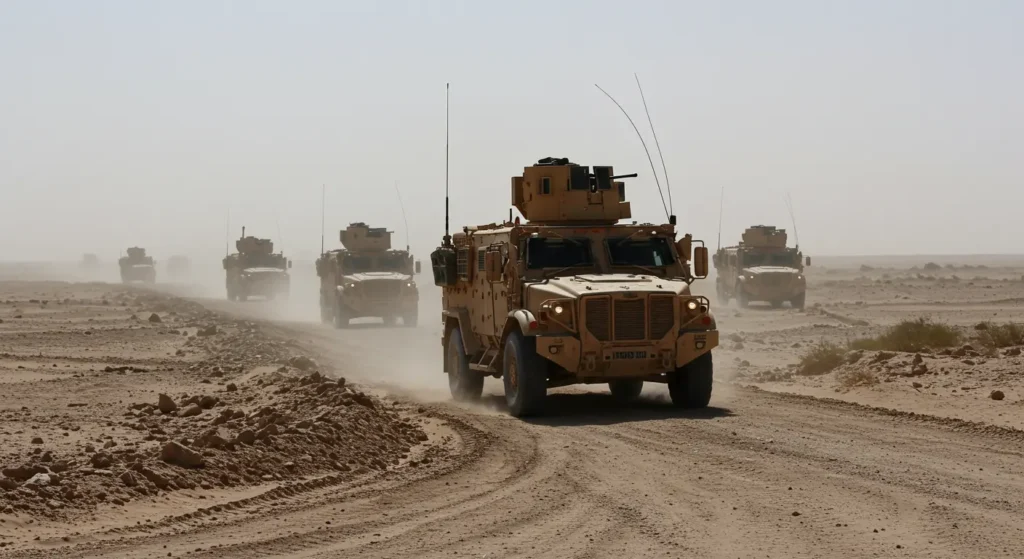
The rise of asymmetric warfare, particularly the prevalent threat of IEDs and ambushes in conflicts like those in Iraq and Afghanistan, spurred the development and widespread adoption of MRAPs.
– Primary Role: Maximizing crew survivability against underbelly blasts (mines, IEDs) and ambushes.
– Key Characteristics:
- V-Shaped Hull: This signature design feature deflects the force of an explosion away from the crew compartment.
- High Ground Clearance: Increases the distance between the blast source and the vehicle floor.
- Blast-Resistant Armor: Specialized armor composition designed to absorb and mitigate blast effects.
- Armament: Typically a protected weapon station with a machine gun or grenade launcher.
– Context: MRAPs prioritize protection, sometimes at the expense of off-road mobility or a lower profile compared to other combat vehicles.
– Examples: Cougar (USA), Oshkosh M-ATV (USA), Mastiff (UK), Casspir (South Africa – an early pioneer).

5. Reconnaissance Vehicles / Armored Cars
These vehicles are the eyes and ears of the battlefield, designed for scouting, intelligence gathering, and security operations. Speed, stealth (in some designs), and advanced sensors are often prioritized over heavy armor or firepower.
– Primary Role: Reconnaissance, surveillance, target acquisition (RSTA), screening, and sometimes light engagement.
– Key Characteristics:
- High Mobility & Speed: Often wheeled for speed on roads and good cross-country performance, though some are tracked for specific terrain.
- Advanced Sensor Suites: Equipped with thermal imagers, day/night cameras, laser rangefinders, and sometimes radar.
- Lighter Armor: Protection is usually against small arms and shell splinters; stealth and evasion are key defenses.
- Varied Armament: Can range from machine guns to autocannons, depending on the specific role and design.
– Examples: Jackal (UK), Fennek (Germany/Netherlands), BRDM-2 (Russia – older but widely used), Panhard VBL (France).
6. Self-Propelled Artillery (SPA)
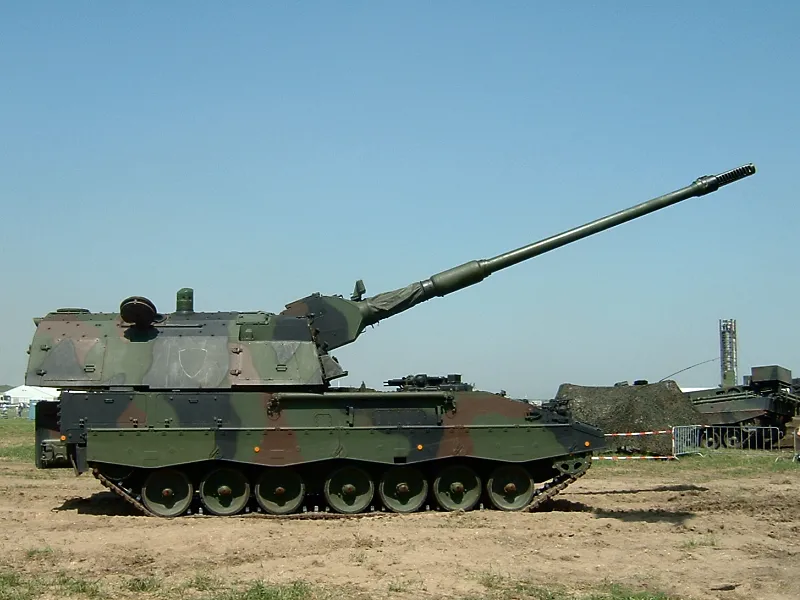
SPA systems provide mobile indirect fire support to ground forces. By mounting large-caliber artillery guns, howitzers, or rocket launchers on an armored chassis, they can keep pace with advancing mechanized units and quickly redeploy after firing (shoot-and-scoot tactics) to avoid counter-battery fire.
– Primary Role: Indirect fire support (artillery bombardment).
– Key Characteristics:
- Large Caliber Weapon: Howitzers (e.g., 155mm) or multiple rocket launchers.
- Armored Chassis: Provides protection for the crew and mobility comparable to other armored fighting vehicles.
- Rapid Emplacement/Displacement: Crucial for survivability in a modern artillery duel.
– Examples: M109 Paladin (USA), PzH 2000 (Germany), 2S19 Msta-S (Russia), AS-90 (UK), K9 Thunder (South Korea).
7. Specialized Military Armored Vehicles
Beyond the main categories, numerous specialized military armored vehicles fulfill critical support roles:
– Armored Recovery Vehicles (ARVs): Equipped with cranes, winches, and tools to recover and repair damaged armored vehicles on the battlefield. (e.g., M88 Hercules)
– Combat Engineer Vehicles (CEVs): Designed to clear obstacles, breach defenses, lay bridges, and perform other engineering tasks under fire. (e.g., Trojan AVRE)
– Tank Destroyers: While less prevalent as a distinct class today (many IFVs and even MBTs fill this role), historically these were vehicles optimized for anti-tank warfare, often sacrificing some protection or versatility for a more powerful gun or missile system. (e.g., historical M10 Wolverine, modern missile carriers like some Stryker variants)
– Mobile Gun Systems (MGS): Wheeled vehicles mounting a tank-caliber gun, offering direct fire support with greater strategic mobility than MBTs, often for light infantry or rapid deployment forces. (e.g., Stryker MGS)
Key Design Considerations Across All Classes
While their roles differ, several common design considerations influence the development of all military armored vehicles:
– Armor and Protection Systems: This includes passive armor (steel, aluminum, titanium, ceramics, composites), explosive reactive armor (ERA) to defeat shaped charges, and increasingly, Active Protection Systems (APS) that can intercept incoming rockets and missiles.
– Mobility and Drivetrain: The choice between tracked and wheeled systems depends on the desired balance of off-road capability, speed, maintenance, and operational range. Powerful engines (diesel, turbine) and robust suspension systems are vital.
– Armament and Firepower: The selection of weapons, ammunition types, and sophisticated fire control systems (including stabilizers, thermal sights, and laser rangefinders) is tailored to the vehicle’s intended targets and mission profile.
– Crew Systems and Ergonomics: The efficiency and endurance of the crew are paramount. Modern designs emphasize situational awareness (panoramic sights, networked displays), climate control, and ergonomic layouts to reduce fatigue during prolonged operations.
– Logistics and Maintainability: Ease of maintenance, reliability, and commonality of parts are crucial for keeping these complex machines operational in harsh environments.
The Future of Military Armored Vehicles
The evolution of military armored vehicles is relentless, driven by emerging technologies and changing geopolitical landscapes. Key trends shaping their future include:
– Modularity and Adaptability: Designs that allow for easy upgrades and role changes using mission-specific modules.
– Unmanned/Optionally-Manned Systems: Increasing use of remote-controlled or autonomous ground vehicles for high-risk tasks like reconnaissance, route clearance, or even combat.
– Advanced Materials: Development of lighter, stronger armor materials and signature management technologies (stealth).
– Network-Centric Warfare Integration: Enhanced C4ISR (Command, Control, Communications, Computers, Intelligence, Surveillance, and Reconnaissance) capabilities, allowing vehicles to share data and operate as part of a larger networked force.
– Hybrid-Electric Propulsion: Offering benefits like silent watch capability, improved fuel efficiency, and increased onboard electrical power for advanced systems.
– Directed Energy Weapons: A longer-term prospect, but research into laser and microwave weapons for defensive and offensive applications is ongoing.
Conclusion: The Enduring Role of Armored Might
Military armored vehicles are far more than just steel boxes on tracks or wheels. They are intricate systems born from decades of technological advancement, battlefield experience, and strategic necessity. From the raw power of Main Battle Tanks to the life-saving design of MRAPs and the agile intelligence-gathering of reconnaissance vehicles, each classification plays an indispensable role in modern military operations and security postures.
As threats evolve and technology progresses, so too will these armored platforms. The ongoing pursuit of better protection, enhanced firepower, superior mobility, and smarter systems ensures that military armored vehicles will remain a cornerstone of ground forces worldwide, continuing to adapt and define the contours of future conflicts and peacekeeping efforts. Understanding their diverse forms and functions provides a crucial insight into the capabilities that underpin national and international security.


